After a record-breaking 43-day government shutdown that left federal workers unpaid and disrupted food access for millions, Congress has finally passed a new funding bill to keep federal programs running. While the bill ensures funding for most federal agencies through January 30, 2026, and continues to support SNAP, it also introduces stricter work requirements that could affect millions of able-bodied adults without children.
Table of Contents
New Work Requirements Could Put Benefits at Risk
The updated SNAP rules mean that able-bodied adults aged 18 to 65 who do not have children under 14, are not disabled, and do not work at least 20 hours a week could lose access to food assistance entirely. For individuals like Nelson Scott, 38, from Tennessee, this policy change is devastating. Scott has no children, no disability, and is currently unemployed. His SNAP benefits, which amount to $292 a month, cover the majority of his food expenses. “That’s devastating,” he said in a recent interview. “It’s like a door slamming shut on people who are already struggling.” These new requirements are stirring debates across the nation.
Who Will Be Affected the Most?
According to the U.S. Department of Agriculture, more than 41 million Americans rely on SNAP to purchase groceries. While the majority of benefits go to households with children, seniors, or disabled members, able-bodied adults without dependents are not immune to the changes. In 2023, 83% of SNAP benefits were allocated to households with children, seniors, or those with disabilities, leaving a smaller yet vulnerable group potentially impacted by the new rules. The implications are particularly severe in communities where employment opportunities are scarce. Areas with high unemployment rates, lack of transportation, or limited job training programs may see the largest number of people losing benefits.
Understanding How to Maintain Eligibility
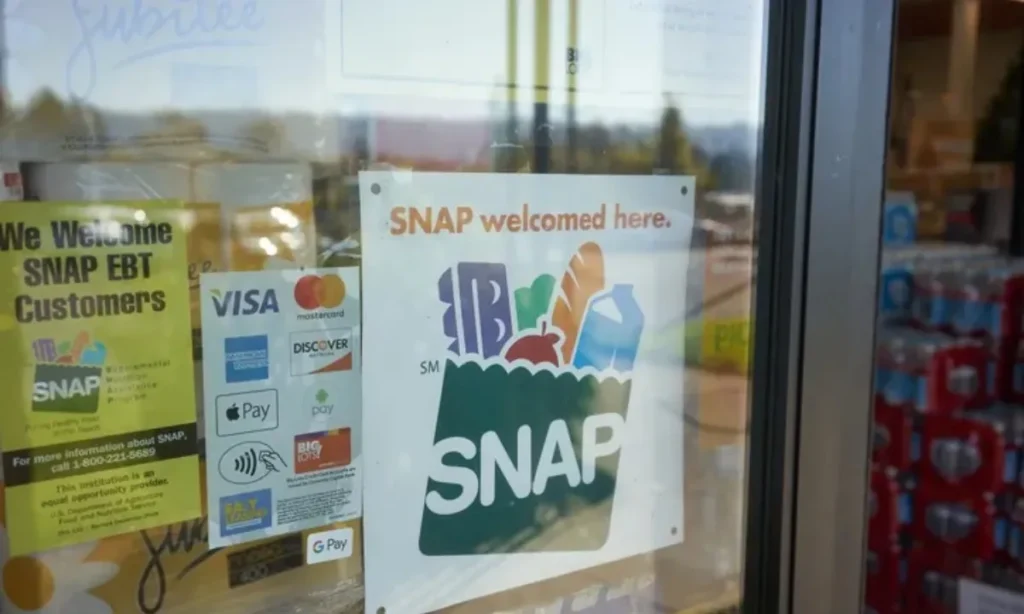
Navigating the new SNAP rules can be complex, and understanding what qualifies as eligible work or volunteering is essential. Part-time, seasonal, or gig work may count toward the 20-hour weekly requirement, but documentation is key. Pay stubs, schedules, volunteer logs, or letters from training programs can help recipients maintain eligibility. State agencies encourage recipients to utilize local workforce development centers and nonprofit job-training programs to meet these requirements while searching for stable employment.
Community Support Is More Important Than Ever
With the policy change, food banks and local community pantries are bracing for an increase in demand, especially during the holiday season. Monetary donations allow organizations to purchase what is most needed at bulk prices, while contributions of shelf-stable food, fresh produce, and hygiene items can help fill immediate gaps. Even small gestures such as donating a bag of groceries, a few dollars, or volunteering a few hours can make a significant difference for households suddenly losing access to SNAP benefits.
Data Snapshot of SNAP Distribution
| Household Type | Percentage of Total SNAP Aid | Average Monthly Benefit |
|---|---|---|
| Households with children | 68% | $332 |
| Households with seniors | 10% | $300 |
| Households with disabilities | 5% | $340 |
| Able-bodied adults without dependents | 17% | $292 |
This table highlights the distribution of SNAP benefits, showing that while the majority go to households with children, seniors, and people with disabilities, a significant portion still supports able-bodied adults without dependents. These changes will directly impact this last group, forcing many to seek alternative means of food assistance.