Millions of American families who rely on SNAP benefits may soon face uncertainty at the grocery store. As a budget standoff in Washington continues, officials are warning that SNAP benefit deposits could be delayed, affecting more than 42 million people nationwide. While the program itself is not ending, the timing of payments is now under question, and that alone can create serious hardship for households already stretched by rising food costs. This issue is unfolding at a critical moment. Inflation may have slowed, but everyday essentials remain expensive, and SNAP benefits are often planned down to the dollar. Even a short delay can disrupt meal planning, leave families scrambling, and force difficult choices.
Table of Contents
Why SNAP Funding Is Suddenly at Risk
The current concern has nothing to do with SNAP eligibility rules or benefit cuts. Instead, the problem lies in the federal budget process, which has stalled due to ongoing disagreements in Congress. SNAP benefits are considered mandatory spending, meaning the benefits themselves are authorized by law. However, the administrative funding needed to operate the payment systems still depends on Congress approving a federal spending bill.
How SNAP Payments Normally Reach Your Account
SNAP works on a carefully coordinated monthly schedule. The federal government sends funds to states, and each state distributes benefits to households through EBT cards based on a set calendar. States also rely on federal support to maintain eligibility systems, payment software, and fraud prevention tools. When administrative funding becomes uncertain, states may still have benefit funds available but lack the technical or staffing capacity to issue them smoothly. In simple terms, the money may be there, but the ability to load it onto cards on time may not be.
Who Faces the Greatest Risk If Delays Happen
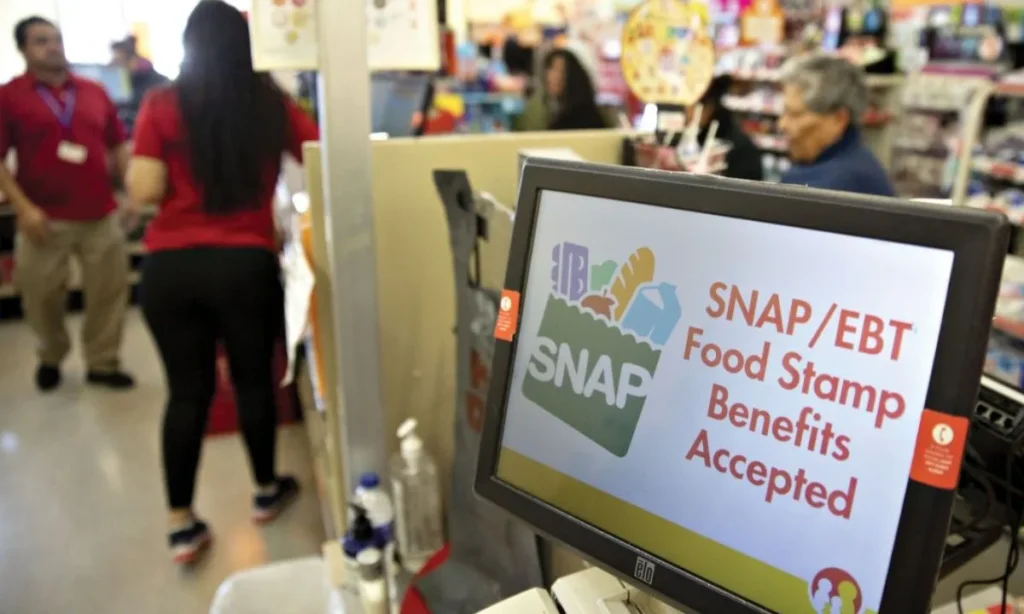
While all SNAP households could feel the impact, some groups are especially vulnerable. Families with young children depend heavily on SNAP to cover meals that school programs do not provide. A delay of even a few days can mean empty cupboards at home. Seniors and people with disabilities also face heightened risk. Many live on fixed incomes and carefully budget their SNAP benefits alongside Social Security payments.
What States Are Doing to Prevent Disruptions
State agencies are well aware of the stakes and are actively preparing contingency plans. Many states are coordinating with the U.S. Department of Agriculture to explore temporary solutions, such as prioritizing early-month payments or securing emergency administrative funding. Despite these efforts, officials warn that prolonged gridlock could still cause disruptions.
Possible SNAP Outcomes in the Coming Weeks
The table below outlines what SNAP recipients could expect depending on how quickly lawmakers act:
| ituation | Congressional Action | Likely Impact on SNAP |
|---|---|---|
| Best Case | Full funding approved quickly | Benefits arrive on time |
| Moderate Case | Short-term funding deal | Delays of 1–3 days in some states |
| Worst Case | Extended budget standoff | Multi-week delays or temporary pauses |
How SNAP Households Can Prepare Right Now
Although families cannot control what happens in Washington, preparation can reduce stress if delays occur. Here are a few important steps worth considering:
- Regularly check your state SNAP website or portal for payment updates
- Monitor your EBT balance so you notice deposits immediately
- If possible, use current benefits to buy shelf-stable foods
- Sign up for text or email alerts from your state agency
- Identify nearby food banks or community pantries ahead of time
Official and reliable updates can be found through USDA.gov, Benefits.gov, and state human services departments.
What This Means for SNAP Recipients Going Forward
At this time, SNAP benefits are not canceled, and there is no change to eligibility rules. However, payment delays remain a real possibility if Congress does not finalize funding soon. Federal and state agencies are working to limit disruption, but households should stay informed and prepared.
Frequently Asked Questions (FAQs)
Will SNAP benefits stop completely?
No. SNAP is not ending. The concern is about possible delays in payment timing due to administrative funding issues.
How long could SNAP delays last?
Delays could range from a few days to several weeks, depending on how quickly Congress resolves the funding standoff.
Do I need to reapply for SNAP if payments are late?
No. If you are already approved, you do not need to reapply due to a delay.
Will all states be affected equally?
Not necessarily. Each state runs its own payment system, so some may experience delays while others do not.
Where can I get official updates?
Check USDA.gov, Benefits.gov, or your state’s SNAP or human services website for verified information.